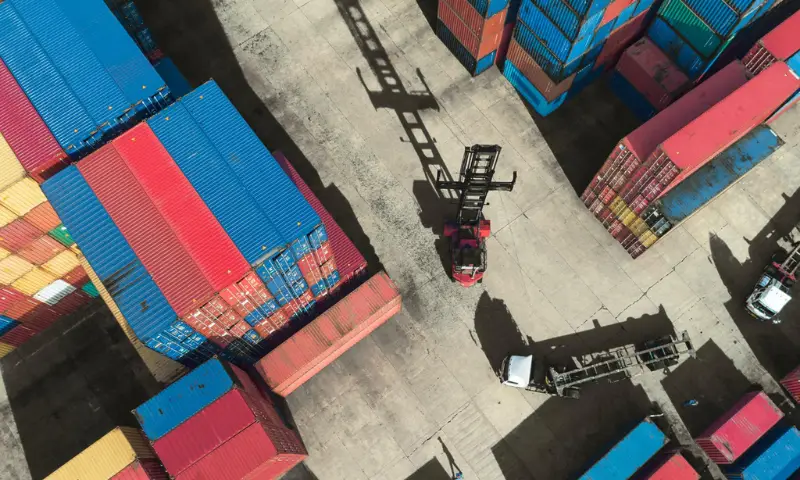
Whether you’re importing goods through the Port of Baltimore or coordinating shipments across the country, you’ve likely heard the term drayage. While it may not be as widely recognized as trucking or freight transportation, drayage is one of the most important links in the supply chain. Without it, containers would never make it from the port to warehouses, distribution centers, rail terminals, or their final destinations.
In this guide, we’ll explain what drayage is, how it works, why it’s important, and how choosing the right drayage provider can keep your freight moving efficiently.
What Is Drayage?
Drayage is the transportation of shipping containers over short distances, typically between ports, rail terminals, warehouses, distribution centers, or storage facilities.
Once an ocean vessel arrives at the Port of Baltimore, containers must be removed from the terminal and transported to their next location. That short but critical move is known as drayage.
Although the distance is often less than 100 miles, drayage requires careful coordination, scheduling, and compliance with port regulations to prevent delays and keep freight flowing.
How Does the Drayage Process Work?
While every shipment is unique, the drayage process generally follows these steps:
1. Container Arrival
An ocean carrier unloads containers at the Port of Baltimore after arriving from overseas.
2. Pickup Coordination
A drayage carrier schedules pickup with the port terminal and verifies all required documentation before retrieving the container.
3. Transportation
The container is transported by truck to its next destination, which may include:
- A warehouse
- A distribution center
- A manufacturing facility
- A rail terminal
- A secure storage yard
4. Delivery or Storage
Depending on the customer’s needs, the container is either delivered immediately or placed into temporary yard storage until it’s ready for final delivery.
Why Is Drayage So Important?
Drayage may cover only a short distance, but it has a significant impact on the efficiency of the entire supply chain.
Reduces Port Congestion
Containers cannot remain at port terminals indefinitely. Prompt pickup helps free valuable space for incoming cargo and keeps terminal operations running smoothly.
Prevents Costly Fees
Delays in retrieving containers can lead to demurrage and detention charges. Reliable drayage services help businesses avoid unnecessary costs by moving containers on schedule.
Keeps Supply Chains Moving
Manufacturers, retailers, distributors, and importers depend on timely container movement to maintain inventory levels and meet customer expectations.
Provides Flexibility
Not every shipment is ready for immediate delivery. Drayage providers with nearby yard storage offer businesses additional flexibility when warehouses aren’t prepared to receive freight.
Common Types of Drayage
There are several types of drayage services depending on where freight is moving.
Port Drayage
Transportation between a seaport and another nearby facility.
Rail Drayage
Movement between rail terminals and warehouses or distribution centers.
Intermodal Drayage
Transportation connecting multiple modes of freight movement, such as ships, trucks, and railroads.
Expedited Drayage
Priority transportation for time-sensitive shipments requiring immediate movement.
Why Location Matters
One of the biggest advantages in drayage is proximity to the port.
Facilities located close to the Port of Baltimore can often reduce transportation time, improve scheduling flexibility, and respond more quickly when containers become available.
For businesses managing high shipment volumes, having access to nearby storage can also help avoid congestion at customer facilities while keeping freight readily available for delivery.
Choosing the Right Drayage Partner
Not all drayage providers offer the same level of service. When evaluating a transportation partner, consider the following:
Local Port Experience
Working with a company that understands terminal procedures, appointment systems, and local logistics can help reduce delays.
Reliable Communication
Freight doesn’t stop moving, and neither should communication. Choose a provider that keeps you informed throughout the transportation process.
Storage Capabilities
If delivery isn’t immediately possible, nearby yard storage can provide valuable flexibility while protecting your freight.
Flexible Transportation Solutions
As shipping needs evolve, it’s beneficial to work with a logistics partner capable of supporting additional transportation services beyond drayage.
Drayage at the Port of Baltimore
The Port of Baltimore plays a vital role in East Coast commerce, serving businesses across a wide range of industries. Efficient drayage services help connect ocean freight with regional and national transportation networks, ensuring goods continue moving quickly after arriving at the port.
Whether shipments are headed to warehouses, manufacturers, retailers, or rail terminals, dependable drayage helps maintain the flow of commerce and reduces costly disruptions.
Partner with A.R. Wakefield Logistics
At A.R. Wakefield Logistics, we specialize in dependable drayage and intermodal transportation solutions for businesses operating through the Port of Baltimore. Our team understands the importance of timely container movement, clear communication, and flexible logistics planning.
In addition to drayage services, we also offer secure yard storage conveniently located within five miles of the Port of Baltimore, along with dry van and flatbed transportation solutions to support your evolving logistics needs.
Whether you’re a freight forwarder, broker, importer, or exporter, we’re committed to helping keep your freight moving efficiently.
Ready to discuss your next shipment? Contact A.R. Wakefield Logistics today to request a quote and discover how our transportation solutions can support your business.